🦝
Raccoon Removal
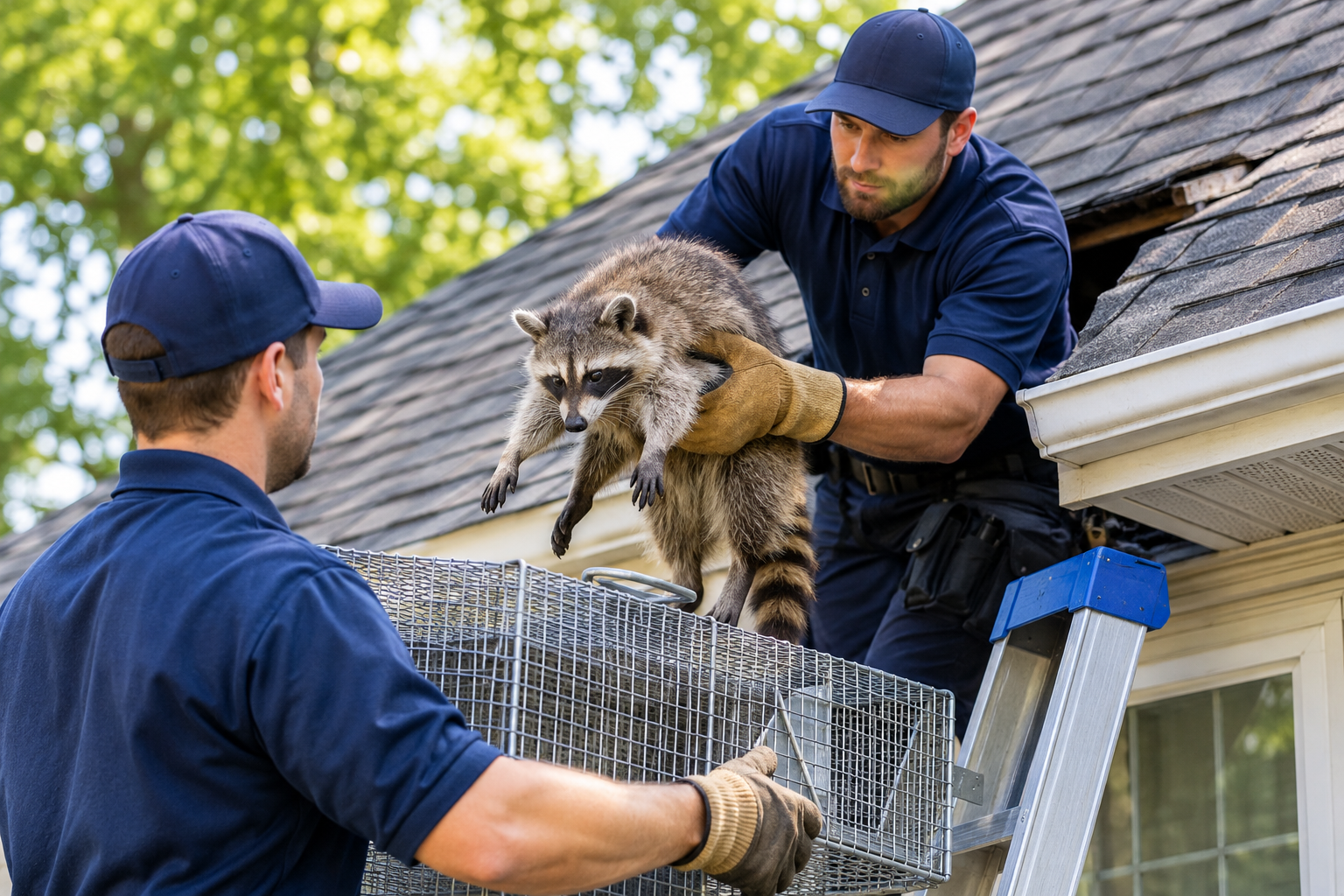
Raccoons may explore rooflines, attics, sheds, and other sheltered spaces. Look for nighttime sounds, disturbed materials, droppings, or visible entry gaps. Avoid approaching or cornering an animal.
Unwanted wildlife around your home or business can create noise, mess, property damage, and safety concerns. Get clear guidance on animal removal, entry-point prevention, and practical next steps for your Glendale property.
Wild animals are part of the Arizona landscape, but they do not belong in your attic, roofline, garage, crawlspace, or business. Wildlife Control Glendale is focused on helping property owners understand the problem and take sensible steps toward a safer, cleaner property.
Glendale's mix of established neighborhoods, newer developments, landscaped yards, open desert edges, and commercial buildings can create opportunities for wildlife to find food, water, shelter, and access to structures. A small gap near a roof return, vent, soffit, or utility opening may be enough for an animal to enter.
Different animals require different handling and prevention strategies. The right response depends on the species, where it is located, whether young may be present, and the applicable Arizona wildlife rules.
Raccoons may explore rooflines, attics, sheds, and other sheltered spaces. Look for nighttime sounds, disturbed materials, droppings, or visible entry gaps. Avoid approaching or cornering an animal.
Squirrels can use small roof and eave openings to reach sheltered areas. Scratching sounds, nesting debris, and repeated activity around the same roof section can indicate an access issue.
Bats may roost in roof spaces and narrow building gaps. Bat work can be seasonal and legally restricted; exclusion should be planned carefully to avoid trapping animals inside or separating dependent young.
Snakes may be attracted by shelter, water, or prey around yards and outbuildings. Keep a safe distance, bring pets and children indoors, and do not attempt to catch or kill an unidentified snake.
Rodents can enter through gaps around pipes, doors, vents, and foundations. Effective prevention typically combines sanitation, secure food storage, monitoring, and closing appropriate entry points.
Skunks, opossums, and other wildlife may shelter beneath decks, sheds, or porches. Keep distance and avoid disturbing a den; a species-aware plan helps reduce risk to people and animals.
A lasting solution is more than moving an animal. It also means understanding how it got in and reducing the conditions that may invite another visit.
Describe what you have seen or heard, where it is happening, and when it occurs. Photos taken from a safe distance can sometimes help with identification.
The response should account for the animal species, location, possible young, property conditions, and relevant Arizona requirements.
After the animal issue is resolved, inspect likely entry points and consider suitable repairs, vent protection, screening, and changes to food or water sources.
Wildlife exclusion means making a building less accessible to animals after the immediate issue has been properly addressed. Sealing an opening too early can trap an animal inside, so suspected entry points should be assessed before repairs are made.
For recurring wildlife activity, combine building repairs with sensible yard and waste-management practices. Prevention is often the most useful long-term part of wildlife control.
Glendale is a growing city in the northwest Valley, with residential neighborhoods, shopping and entertainment areas, parks, landscaped communities, and properties close to desert habitat. Wildlife can move through these environments while searching for food, water, or shelter. Encounters may happen in a backyard, beneath a porch, near a block wall, inside a garage, or around a roof and attic space.
Unexplained scratching or movement in a ceiling, damaged vent screens, disturbed insulation, droppings, tracks, burrows, chewed materials, or repeated animal sightings can all warrant a closer look. No single sign confirms a particular species. If you are unsure what animal is present, avoid direct contact and seek qualified identification.
Homeowners may notice activity around roof edges, patio covers, sheds, garages, trash storage, pool equipment areas, and landscaping. Keep children and pets away from an animal, nest, or den. Do not reach into dark spaces or attempt to remove an animal by hand.
Businesses can experience wildlife activity around loading areas, dumpsters, storage structures, roof penetrations, and landscaped outdoor spaces. Promptly securing waste, documenting activity, and arranging appropriate inspection can help limit disruption and identify building vulnerabilities.
This page is focused on Glendale, Arizona. If your property is outside Glendale, call to confirm whether the location can be accommodated before arranging a visit.
Call to discuss what you are seeing in Glendale, AZ and ask about the next appropriate step.
Keep your distance, move children and pets away, and do not corner, touch, or attempt to trap the animal. If it is safe, close interior doors to limit movement and call for guidance. If anyone is bitten or scratched, seek prompt medical advice.
Do not seal a suspected entry point until you are confident no animal or dependent young remain inside. Sealing an occupied space can trap wildlife in a wall, attic, or roof void and create additional hazards.
Any wild animal can behave unpredictably when frightened or handled. Do not handle bats or unidentified snakes. Keep people and pets away and arrange appropriate professional or public-agency guidance. For a possible bat exposure, contact a healthcare professional or local public-health authority promptly.
Removal and building repairs are separate steps. Ask what inspection, exclusion, screening, or repair work is included in a proposed service before approving it. A complete prevention plan should address the access route after the animal issue is resolved.
Arizona has species-specific wildlife rules and requirements. The correct process can depend on the animal and circumstances. Confirm that any proposed handling, capture, relocation, or exclusion complies with current Arizona Game and Fish Department requirements and other applicable laws.
Call (254) 513-9269 and describe the animal, where it was seen, and the signs you have noticed. Avoid approaching the animal or entering an area where it may be hiding.
Whether you have heard movement in the attic, spotted an animal around an outbuilding, or want to reduce repeat wildlife visits, start with a phone call.
Glendale, Arizona
Call NowService availability, scope, pricing, and response times should be confirmed by phone. No physical business address or hours are published on this page.